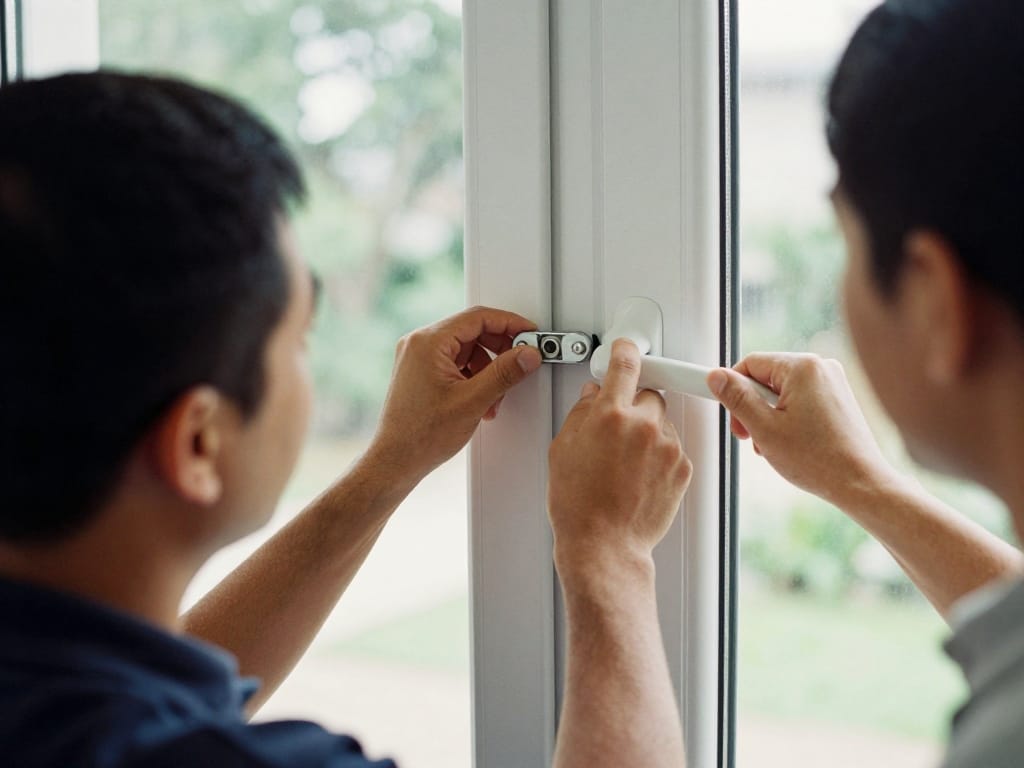
HR pros, especially in big firms with over 200 staff, need to understand and diagnose window assembly failures. This is key for service recognition programs. Ignoring these issues causes disruptions, higher costs, and safety risks.
Tackle this during regular facility checks or when employees report problems like drafts or hard-to-open windows. A clear plan helps. First, figure out the window type—single-hung, double-hung, casement, etc.
Then, check for visible damage or wear. Look for cracks, warped frames, and bad seals. Test if the window opens and closes smoothly. Listen for odd noises that signal mechanical issues.
Don’t overlook small problems, assume all issues are the same, or delay fixes. Small issues can become big ones. Each window problem is different—a draft might mean a bad seal, while a sticking window could mean mechanical trouble. Explore the process of replacement window installation for homeowners who want a clean, airtight finish.. Delaying fixes leads to higher costs and safety risks.
Wrong diagnosis or repair can cause more damage, raise energy costs due to poor insulation, and create structural issues. In bad cases, it can make the building unsafe and cause legal problems for the company. So, a thorough, step-by-step approach to fixing window assembly issues is vital.
Knowing about window assembly failures is key for keeping buildings solid and energy-efficient. Failed window assemblies cause big problems like higher energy bills, water leaks, and structural damage. This matters a lot for big companies with many buildings. Regular maintenance and quick fixes save money over time.
Make checking for window failures a regular part of your building upkeep. Inspect windows twice a year. Look for warped frames, broken seals, and bad caulking.
To find these issues, start with a good look at the windows. Use a moisture meter to check for water around the frames. If you think there are air leaks, a smoke pencil test can show where air is escaping.
Don’t skip proper installation. Badly installed windows fail more often. Train your team in the right techniques and use good materials.
Ignoring these problems leads to higher energy costs. Water leaks cause mold and damage, which are expensive to fix. In bad cases, window failure can be dangerous.
Stay alert and use a strong maintenance plan to keep your buildings safe, efficient, and cheap to run.
Windows can fail due to manufacturing defects, often unnoticed until damage occurs. These defects include poor sealing, weak glazing, or flawed frame construction. When windows aren't made to strict standards, they can let in water, air, and become structurally weak. Companies need strict quality checks during production to avoid these issues. Ignoring defects can lead to expensive repairs later.
Weather greatly affects window durability. Harsh conditions like heavy rain, strong winds, and temperature changes put pressure on windows. Over time, this can break seals, crack glass, and warp frames. Regular checks and maintenance are key to catching and fixing weather-related damage. Ignoring environmental effects can weaken windows and raise energy bills.
Mistakes during installation often cause window failures. If windows aren't fitted correctly, they won't seal properly, letting in water and air. This can damage the window and the building. Installers must follow guidelines to ensure a secure fit. Ignoring installation errors can lower energy efficiency and cause structural problems.
All windows degrade over time due to sun, moisture, and pollution. This can weaken, crack, or corrode materials. Regular upkeep and timely replacements are needed to keep windows performing well. Using high-quality materials and coatings can improve durability. Ignoring degradation can create safety risks and increase maintenance costs.
Neglect by users often leads to window failures. Improper cleaning, using too much force, and skipping maintenance can speed up window wear. Teaching people how to care for windows properly is important to reduce failures. Not addressing negligence can cause windows to fail early and lower satisfaction.
Catching early signs of window failure is vital for building safety and integrity. Ignoring these can cause serious problems like water leaks, structural damage, and higher energy bills. Fix issues fast, especially in tough weather or heavy use.
Regular checks of window frames, seals, and glass for wear and tear are a must. Do this twice a year, spring and fall, to spot problems early. Use a checklist to look for cracks, gaps, and moisture signs.
Don’t ignore small issues like a tiny crack in a seal. It might let water in, causing rot and mold, which can weaken the building and lead to expensive fixes.
Not fixing these issues can cost a lot, not just for repairs but also for damage inside and lower employee comfort and productivity, especially in offices needing natural light and fresh air.
In short, keep an eye on windows and fix problems right away to avoid big costs and disruptions from serious window issues.
Knowing the tools and methods for diagnosing window assembly failures is key to keeping buildings safe and intact. Regularly check for issues like drafts, moisture, or instability during maintenance or when problems arise.
Start with a close look. Check for wear, rust, or damage. Use moisture meters to find water leaks and thermal cameras to spot temperature differences that may show gaps or breaks. Pressure tests help check seal integrity under different conditions.
Don’t skip the initial visual check. It helps spot clear signs of failure and avoids wrong diagnoses. Don’t rely on just one tool. Each method gives different info, and using them together gives a better overall view.
Wrong diagnosis can waste resources, cause unnecessary replacements, or miss serious problems. This can lead to higher repair costs and safety risks. Do it right the first time to avoid these issues and keep your window assemblies lasting longer and working better.
Knowing why and how window assembly failures happen is key for a safe, efficient, and comfortable work environment. Ignoring this can lead to big financial losses, employee discomfort, and safety risks. Check for window issues during regular maintenance and when you notice changes in window performance.
Take a multinational corporation in a high-rise building. During a routine check, the facilities team found severe water ingress around several windows. They discovered the sealant had worn out from harsh weather. They fixed it by replacing the sealant and adding drainage systems to stop future water problems. This shows the need for durable materials and good drainage in high-rise buildings.
In another case, an office park had widespread window failures due to bad installation. The windows weren't secured properly, causing drafts and higher energy use. They had to re-install the windows with trained professionals, showing the need for skilled labor in window assembly.
Common mistakes include using cheap materials, poor sealing, and skipping professional installation. These can lead to higher energy costs, bad indoor air quality, and structural damage. Making sure window assemblies are installed and maintained correctly can prevent these problems, saving money and improving workplace comfort.
Regular maintenance of window assemblies is key to building longevity and efficiency. It stops costly repairs and keeps employees safe and comfortable. Make checking window assemblies a regular task, especially in older buildings where wear and tear happen more often.
In practice, schedule regular checks by trained pros who can spot problems early. They should look for wear signs like frame cracks, bad seals, and faulty hardware.
A common error is skipping these checks or trying DIY fixes without the right know-how. This can cause water leaks, energy waste, and structural harm. When windows fail, it’s not just about replacement costs; it’s about the effect on the work environment and future problems.
During new window installation, quality control matters too. Make sure all parts meet industry standards and that certified pros do the installs. This proactive step not only lengthens window life but also makes the work environment safer and more comfy for all.
In big organizations, window assembly failures cause major downtime, expensive repairs, and safety risks. Advanced tech helps with accurate diagnostics and proactive prevention. Addressing window issues quickly is key, especially in places with heavy window use or tough conditions.
Tech like thermal imaging and structural analysis software spots problems before they get bad. Thermal imaging finds heat loss around window frames, showing gaps or cracks. Structural analysis software shows weak spots in the assembly.
Common errors include ignoring early signs like condensation or drafts and delaying fixes. These mistakes lead to worse damage, higher repair costs, and safety risks for workers.
Doing it wrong means higher maintenance costs, less safe workplaces, and possible legal issues. It's not just about fixing a window; it's about keeping a safe, efficient work environment.
Using advanced tech for window checks isn't just a good idea—it's essential for big organizations to cut disruptions and ensure a safe workplace.
Knowing the rules and standards for window assembly failures is key for HR pros in big companies. It’s not just about following rules; it’s about keeping your company safe and out of trouble. When windows fail, it can cause big problems like safety risks, higher insurance costs, and legal issues.
Think about these things from the start of any building project and keep checking them. You need to make sure windows meet local codes and industry standards. Work with your facilities team to do this.
This means checking windows carefully, maybe with special tools to find hidden problems. Also, stay updated on changes to building codes, which can be different in each area.
A big mistake is not keeping windows well-maintained. Many companies think if a window looks okay, it is okay. But windows can get worse without showing it, leading to big problems. Also, don’t ignore what employees say about window issues; it could mean something bigger is wrong.
If you don’t handle this right, the results can be bad. Broken windows can hurt people, damage property, and cost a lot of money for fixes and possible lawsuits. Make sure everyone knows how important it is to follow safety rules and report any window problems.
Investing in diagnostics for window assembly failures is a smart financial move. It protects your company’s assets and ensures employee comfort and safety. When window assemblies fail, it’s more than a minor issue. It causes significant energy loss, weakens building integrity, and poses safety risks.
Act on signs of window distress like condensation between panes, drafts, or hard-to-open windows. Ignoring these signs leads to more damage and higher repair costs later.
Diagnosing window failures requires a detailed inspection by trained pros. They check the frame, seals, and glass. Thermal imaging may spot heat loss, highlighting problem areas.
Avoid quick fixes or DIY solutions. They often worsen the problem, leading to costlier repairs. For example, replacing a broken seal without fixing the frame deterioration is just a temporary fix.
Incorrect fixes risk window functionality and building energy efficiency. This raises heating and cooling costs and increases the chance of water damage and mold.
Thorough diagnostics cost more upfront but save money in the long run compared to extensive repairs or replacements. It’s an investment in your building’s longevity and efficiency.
Spotting and predicting failures in window assemblies is key for keeping buildings strong, energy-efficient, and comfortable for occupants. As organizations expand, their physical infrastructure gets more complex, making predictive maintenance more important than reactive fixes. This is where advanced diagnostics step in.
Schedule regular checks, especially after big weather events or when energy efficiency drops. Use thermal imaging and moisture meters, but keep an eye on new tech too. For example, drones with high-res cameras can inspect tough spots, giving detailed visuals without scaffolding. Machine learning algorithms are learning to analyze these images, finding patterns that signal early failure.
Don't skip the baseline assessment. Without knowing your windows' normal state, it's hard to spot problems. Ignoring this can lead to unnoticed gradual failures, causing bigger, costlier repairs later.
Bad diagnostics miss issues and can lead to unnecessary replacements, raising costs. Also, not integrating diagnostic data into your maintenance plan can cause inefficiencies and missed chances for preventative action.
In short, using new diagnostic tech and methods can greatly improve window assembly reliability and longevity, leading to more sustainable and cost-effective building management.
HR professionals often miss failure diagnostics in window assemblies, but this oversight has big consequences for safety, efficiency, and costs. A broken window isn't just an eyesore—it's a safety hazard that can cause injuries, raise energy bills, and lead to legal trouble.
Check for window issues during regular facility inspections and when weather or occupancy changes. Use a simple method: start with a visual check for cracks or water stains. Then, test if the window seals and operates correctly.
Don't ignore small problems, thinking they won't get worse. That's risky. Tiny cracks can let water in, causing wood rot or metal corrosion. If you don't fix these, the window and maybe the whole building could become unsafe.
In practice, this means setting aside money for regular maintenance and teaching facility staff to spot early signs of trouble. Also, be ready to fix problems quickly when you find them—don't wait.
In short, being proactive about window checks makes work safer and helps the building last longer. It's a smart move that benefits people and property alike.
Failure diagnostics for window assemblies are crucial. They help spot and fix issues before they become expensive problems. HR pros in big companies can save time, money, and resources by understanding these diagnostics.
Tackle window assembly failures right away when symptoms show up. This might happen during regular facility checks or when staff report problems like drafts, condensation, or hard-to-open windows. Early detection is vital.
In real situations, start diagnostics with a visual check. Look for wear signs like cracks, gaps, or bent frames. Check seals and locks for damage. Use basic tools like a flashlight and a ruler to measure any issues. Write everything down.
Common errors include ignoring small problems, thinking all issues are the same, and putting off repairs. These can cause bigger damage, higher energy bills, and safety risks. For example, a tiny crack left alone can let water in, causing mold and structural harm.
If done wrong, failure diagnostics can lead to wrong diagnoses, unnecessary part changes, and ongoing discomfort for employees. This wastes money and hurts workplace happiness and productivity.
In short, good failure diagnostics for window assemblies are key to a safe, comfy, and affordable work space. Fix issues fast, use the right tools, and avoid common mistakes for long-term success.
A home window is an opening in a wall surface, door, roof, or vehicle that enables the exchange of light and might likewise permit the flow of noise and sometimes air. Modern windows are generally glazed, or covered in some other transparent or transparent product, a sash embed in a framework in the opening. The sash and frame are likewise referred to as a window. Many glazed home windows might be opened up, to enable air flow, or near omit harsh weather condition. Windows might have a lock or similar system to secure the home window closed or to hold it open by numerous amounts. Types consist of the brow home window, fixed windows, hexagonal windows, single-hung, and double-hung sash home windows, straight sliding sash home windows, casement home windows, awning windows, hopper windows, tilt, and slide windows (frequently door-sized), tilt and turn home windows, transom windows, sidelight windows, jalousie or louvered home windows, clerestory windows, lancet home windows, skylights, roofing system windows, roofing lanterns, bay home windows, oriel home windows, thermal, or Diocletian, home windows, photo home windows, increased home windows, emergency exit windows, discolored glass home windows, French windows, panel windows, double/triple-paned home windows, and witch windows.
.Overijse (Dutch pronunciation: [ˈoËÂÂÂÂË vəə r É› is É™] is a town in the province of Flemish Brabant, in the Flemish region of Belgium. It is a suburb of the bigger Brussels metropolitan area. The community comprises the community of Overijse appropriate, and the areas of Eizer, Maleizen, Jezus-Eik, Tombeek and Terlanen. On January 1, 2023, Overijse had a total population of 25,962. The overall area is 44. 99 km2 (17. 37 sq mi), which gives a population thickness of 549/km2 (1,420/ sq mi). Overijse is bordered by a considerable forests (Sonian Forest), with courses for walking and cycling. The main language of Overijse is Dutch. The municipality is home to a minority of French-speaking residents and, according to a 2023 census, to 4,389 expatriates including 716 Dutch, 402 French, 389 Romanians, 306 Polish and 281 Germans. In 1952, Albert Lootvoet, a neighborhood maker began brewing Leffe beer. The Leffe beers were made in Overijse from 1952 up until 1977, when the Artois breweries bought out the local maker.
.